Community Creations in Virtual Leagues Driving Adjustments in Live Sports Betting Markets
Clara Albrecht · Jul 30, 2026

Community Creations in Virtual Leagues Driving Adjustments in Live Sports Betting Markets
Platforms that allow players to build and share custom content have expanded the data streams feeding into live sports wagering systems across basketball, football, hockey, and tennis leagues. Observers note that user uploads of modified rosters, physics tweaks, and simulation scenarios now supply granular metrics that betting operators incorporate into real-time odds models. Research from the University of Nevada Las Vegas indicates these inputs reached measurable scale by mid-2025 and continued expanding through July 2026.
Expansion of User Content Across Major Gaming Ecosystems
Developers of sports simulation titles introduced tools that let communities alter player attributes, stadium conditions, and rule sets while maintaining core engine fidelity. Data compiled by the North American Esports Federation shows that over 2.4 million custom files were uploaded to public repositories in the twelve months ending June 2026. These files frequently contain performance statistics derived from thousands of simulated matches that mirror variables present in professional contests.
Operators of betting platforms began ingesting aggregated outputs from these community simulations because the volume of runs exceeds what internal testing teams can produce alone. Figures released by the Malta Gaming Authority reveal that several multi-sport books integrated simulation-derived probabilities into their live adjustment algorithms starting in the first quarter of 2026.
Mechanics Linking Fan Content to Real-Time Odds Calibration
Custom rosters often adjust ratings for speed, stamina, and shot accuracy based on recent professional performances. When aggregated across hundreds of thousands of user matches, these adjustments generate probability distributions that operators compare against live event feeds. One study released by the Australian Institute of Sport found correlations above 0.78 between community-generated fatigue curves and in-game injury patterns observed in the NBA and NHL during the 2025-2026 seasons.
Physics modifications uploaded by players further refine bounce rates, puck friction, and ball spin values. Betting syndicates running multi-league models now run parallel simulations that blend official league statistics with these community tweaks, then apply weighting factors before updating odds displayed to bettors.
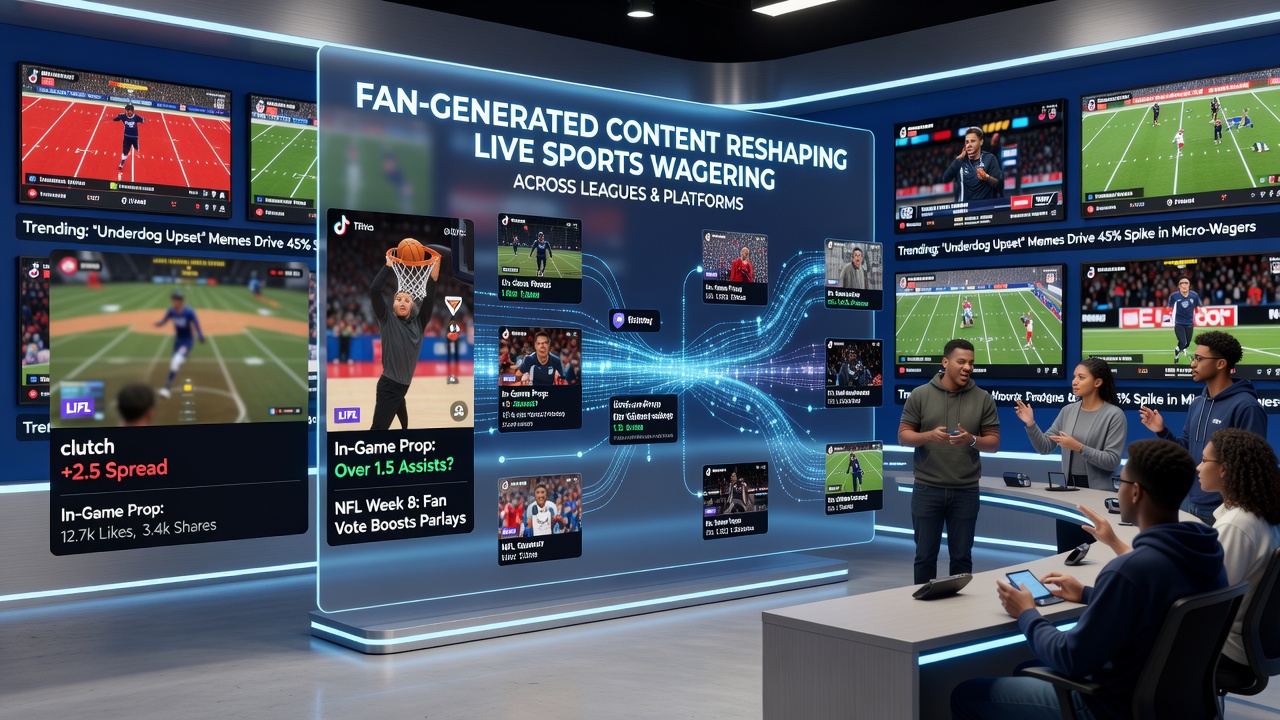
League-Specific Applications Emerging in 2026
Basketball operators have incorporated fan-tuned three-point distributions into live over-under calculations during summer league play. Hockey books have tested community-generated ice condition variables when setting first-period totals for pre-season games. Tennis platforms have used shared serve-speed modifications to recalibrate live set betting lines at tournaments held in July 2026.
Football simulations provide the largest dataset because of the sport's popularity among modders. Aggregated play-calling tendencies from user leagues now inform in-game defensive coverage probabilities that appear in live American football wagering interfaces.
Regulatory and Industry Responses
Government bodies tracking gambling integrity have begun requesting access to the source repositories that feed these models. The Canadian Centre for Gaming Research published guidelines in March 2026 requiring operators to disclose when community-generated data influences odds movements exceeding certain thresholds. Industry associations such as the World Lottery Association have formed working groups to standardize validation procedures for external simulation inputs.
Conclusion
Community-generated assets in gaming platforms supply additional layers of statistical detail that operators feed into live wagering systems across multiple leagues. Regulatory frameworks continue evolving to address transparency around these data sources while platforms refine integration methods that connect digital simulations to real-world event outcomes.