Console Basketball Simulations: Supplying Data Streams for Advanced Sports Wagering Algorithms
Iris Hoffmann · Jun 18, 2026
Console Basketball Simulations: Supplying Data Streams for Advanced Sports Wagering Algorithms
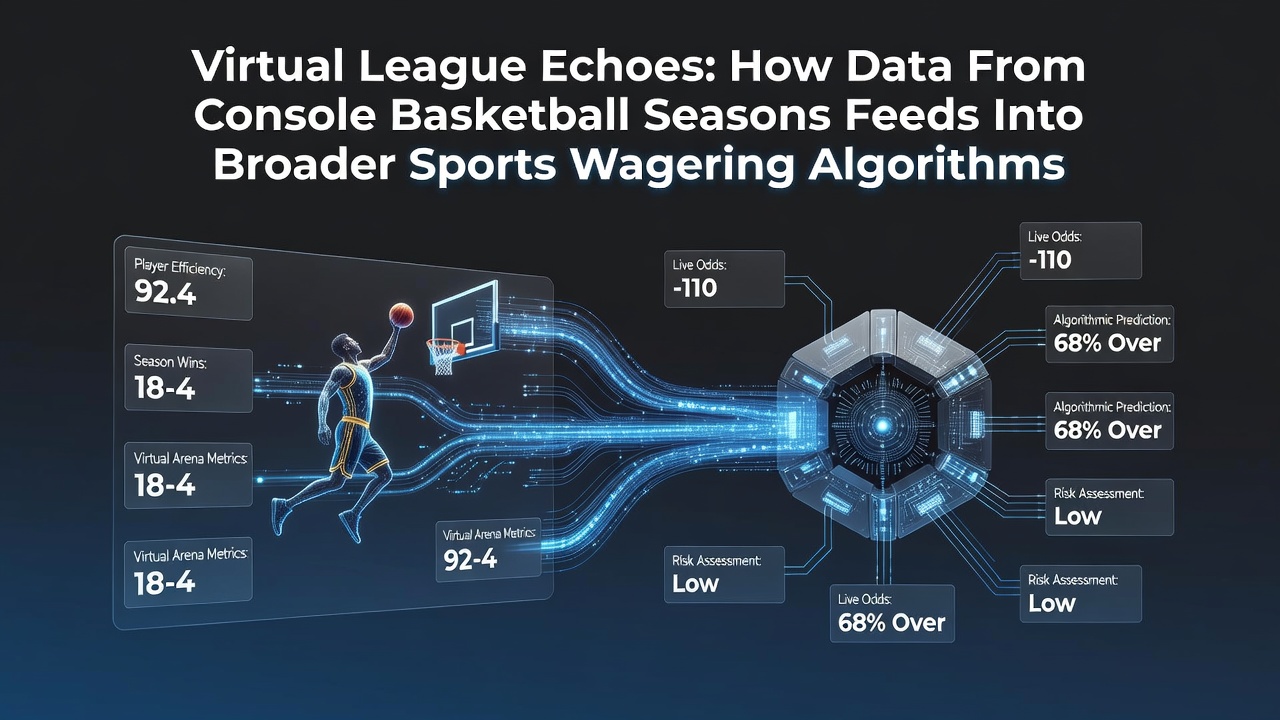
Console basketball leagues generate vast datasets each season through simulated games that mirror professional play patterns, and these outputs flow directly into wagering algorithms across multiple sports. Developers track variables such as shooting efficiency, defensive rotations, and fatigue indicators in titles like NBA 2K, which then serve as training inputs for predictive models employed by betting operators. Researchers at institutions focused on sports analytics have documented how these virtual metrics align with real-world statistical distributions, allowing algorithms to refine probability calculations for live events.
Data Extraction from Virtual Seasons
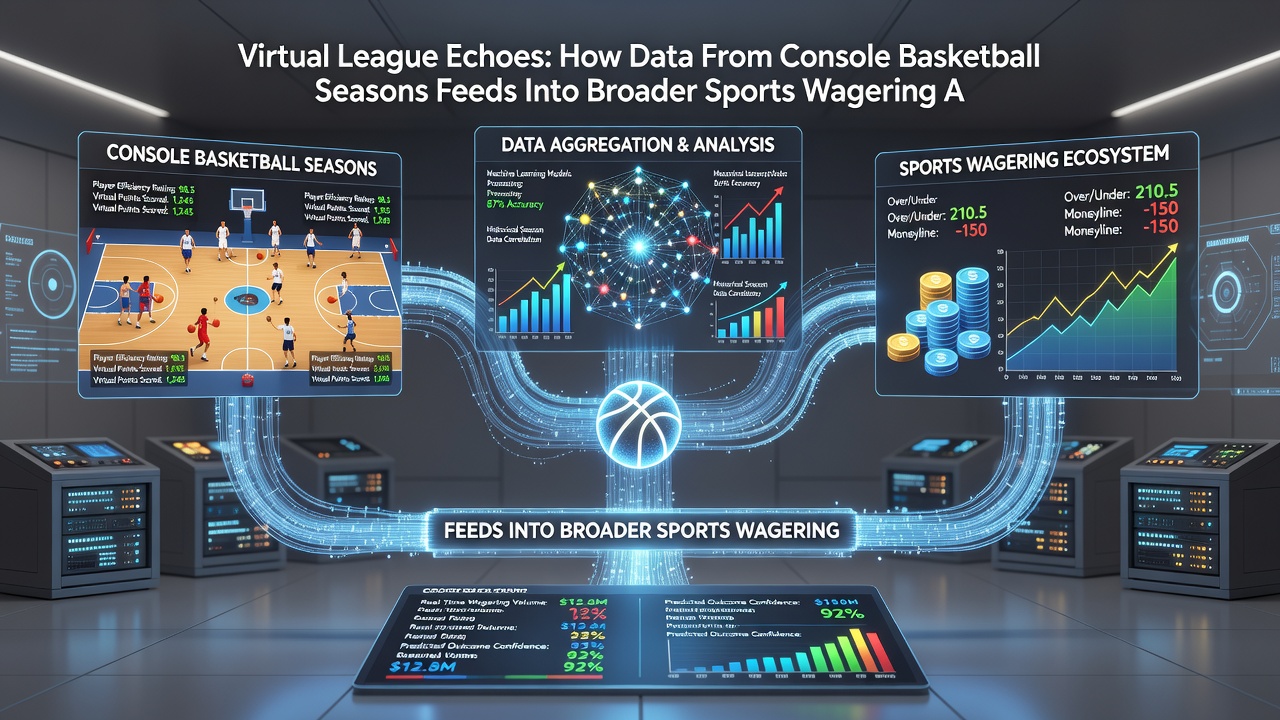
Virtual basketball seasons produce granular records including possession-level details, player movement vectors, and outcome probabilities under varied conditions, and analysts aggregate this information to identify recurring sequences that appear in actual competitions. Data from these simulations updates continuously throughout the calendar year, with major collections occurring after each completed virtual campaign. In June 2026 observers noted sustained integration of prior season archives into live models as new cycles began, creating layered historical baselines that enhance forecast stability across basketball and adjacent sports.
Extraction processes rely on application programming interfaces that pull structured outputs like box scores and play-by-play logs, which organizations then normalize for compatibility with broader sports databases. This standardization enables cross-league comparisons where basketball-derived patterns inform adjustments in football or hockey projections, since shared biomechanical and strategic elements appear in multiple simulations.
Algorithmic Integration Mechanisms
Betting platforms incorporate virtual basketball data through machine learning pipelines that weight simulation results alongside traditional scouting reports and historical performance logs. These pipelines detect correlations between virtual fatigue curves and real injury rates, for instance, allowing dynamic recalibration of odds during ongoing matches. Engineers adjust model parameters when virtual league trends diverge from established benchmarks, maintaining alignment with observed variances in professional circuits.
One case involved operators using rotation frequency data from console seasons to calibrate live under-over totals in international basketball tournaments, and similar techniques extended to soccer where player workload metrics derived from virtual sources improved substitution timing predictions. The process emphasizes iterative feedback loops where real event outcomes update the virtual training sets, closing the circuit between simulation and actual wagering calibration.
Cross-Sport Applications and Calibration
Virtual basketball outputs contribute to multi-sport frameworks by supplying baseline distributions for speed, accuracy, and decision-making under pressure, which algorithms apply when modeling less data-rich environments such as emerging leagues. Studies from the Australian Institute of Criminology have examined how simulation-derived variables strengthen risk assessment tools used by operators in regulated markets, particularly where live betting volumes require rapid probability updates. Patterns extracted from console rebounds and assists, for example, translate into refined spread calculations for volleyball and handball events sharing analogous spatial dynamics.
Calibration routines run nightly during peak seasons, incorporating fresh virtual results to counteract drift in model accuracy. This practice supports consistent performance across regions because the underlying simulation engines operate under standardized physics parameters that generalize beyond single sports. Regulatory frameworks in Canada and the European Union require documentation of such data sources to verify transparency in algorithmic decision processes.
Future Trajectories in Data Utilization
Expansion of virtual league participation continues to enlarge available datasets, and developers explore integration with augmented reality interfaces that could capture additional behavioral variables during simulated play. These developments align with ongoing research at centers like the International Centre for Gaming Research in Canada, where teams analyze how expanded simulation inputs affect model robustness across wagering categories. Seasonal archives from 2025 through mid-2026 already demonstrate measurable improvements in prediction intervals when basketball simulation layers supplement core statistical feeds.
Conclusion
Console basketball seasons supply structured, high-volume data that directly informs the construction and refinement of sports wagering algorithms spanning multiple disciplines. Through systematic extraction, normalization, and iterative calibration, these virtual metrics enhance the precision of probability models while meeting regulatory standards for data provenance. Continued accumulation of simulation records promises further refinement as operators adapt to evolving live betting demands in 2026 and beyond.