Console League Data Streams Fueling Algorithmic Precision in Multi-Sport Wagering Models
Ellis Krüger · Jun 4, 2026
Console League Data Streams Fueling Algorithmic Precision in Multi-Sport Wagering Models
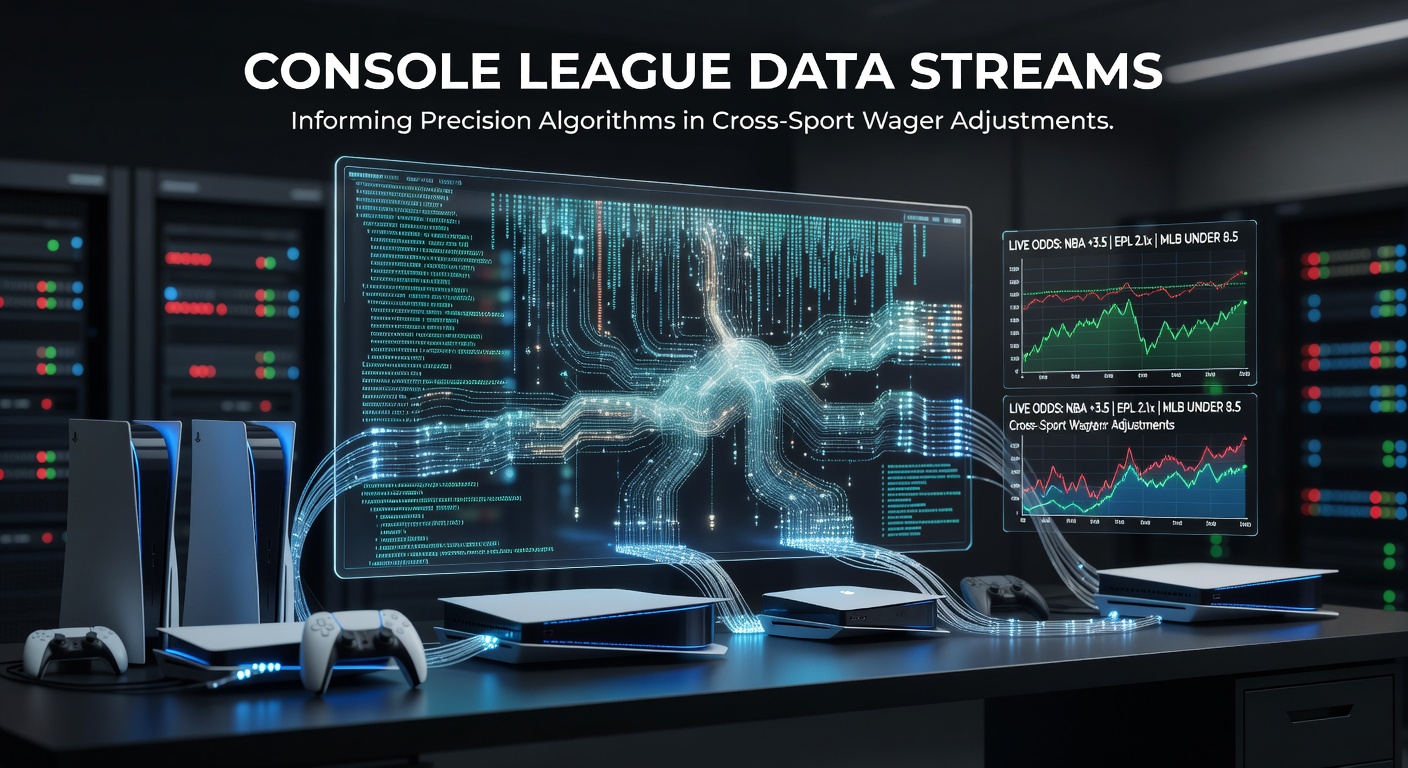
Console leagues generate continuous streams of performance metrics from simulated matches across basketball, hockey, and football titles, and these datasets now feed directly into algorithmic models that recalibrate live wagers in real-world competitions. Developers track variables such as player movement patterns, shot accuracy distributions, and defensive response times within virtual environments, then map those outputs onto statistical frameworks used by betting platforms. Research from the University of Nevada Reno indicates that simulation engines produce granular telemetry at rates exceeding 60 frames per second, creating dense records that refine probability estimates for point spreads and totals.
Mechanics of Data Capture in Console Environments
Modern gaming platforms record every in-match action through proprietary APIs that export position coordinates, velocity vectors, and interaction logs to centralized servers operated by league organizers. Those who manage professional console circuits in 2026 note that June tournaments already incorporate live data pipelines, allowing organizers to adjust virtual rulesets mid-event based on emerging performance clusters. This same infrastructure supplies external partners with anonymized aggregates that highlight deviations from expected outcomes, such as unusually high assist rates in simulated basketball games or elevated save percentages in hockey recreations.
Engineers parse these streams through machine learning layers that isolate repeatable sequences, for instance correlating virtual fatigue curves with real athlete workload data collected from wearable devices. The resulting models update probability matrices every few minutes during live events, shifting odds when simulation clusters align with or diverge from on-field conditions. Observers note that cross-sport calibration occurs because algorithms trained on one console discipline often transfer insights to another, since core physics engines share underlying code structures for momentum and collision detection.
Cross-Sport Application and Algorithm Refinement
Precision adjustments emerge when console-derived baselines recalibrate expected values for unrelated leagues, a process visible in June 2026 schedules where basketball simulation outputs influenced hockey total lines during overlapping international tournaments. Data shows that virtual rebounding percentages from console basketball events helped algorithms predict puck possession time in real hockey matches, because both metrics reflect similar spatial control dynamics. Platforms integrate these signals alongside traditional sources like injury reports and weather data, yet the simulation layer adds temporal granularity that static models lack.
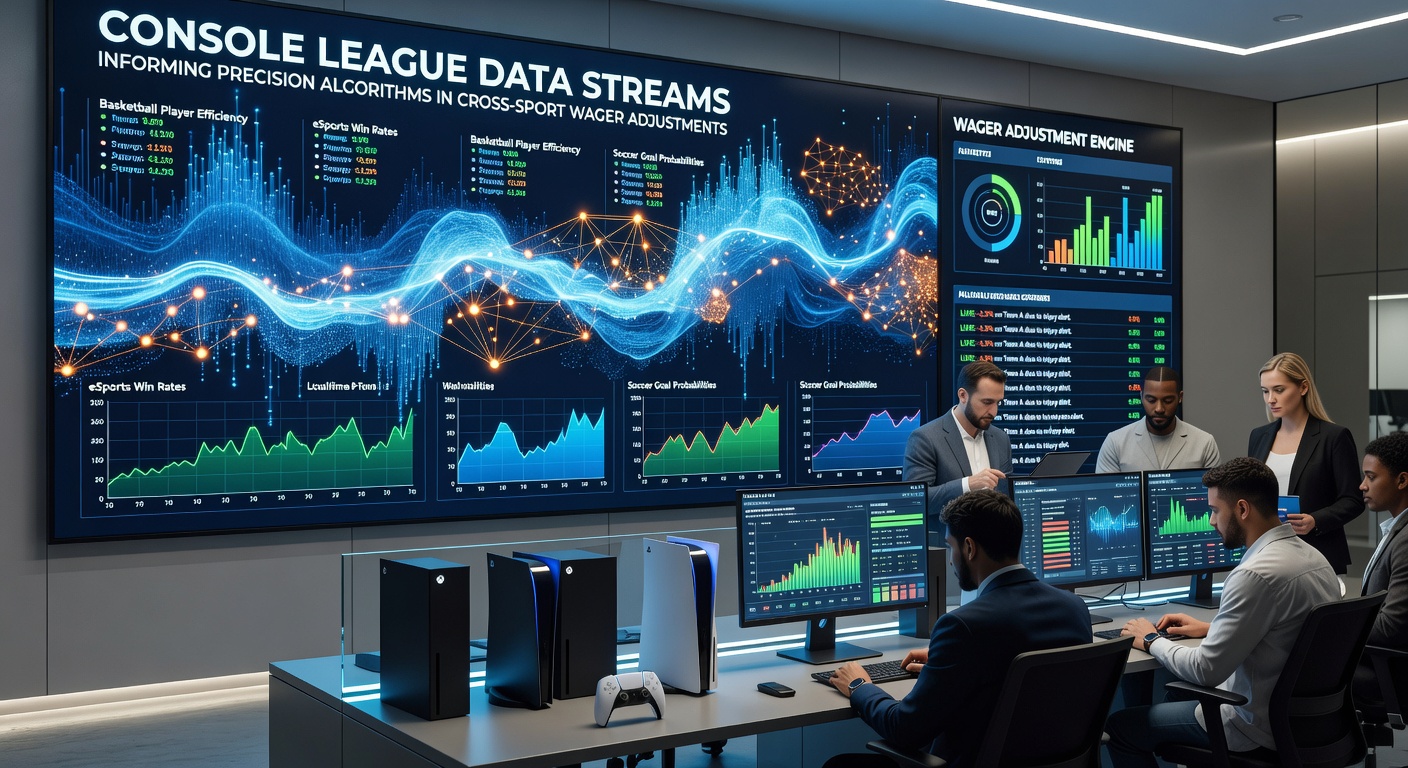
Industry reports from the Australian Wagering Council document that operators using multi-source feeds reduced variance in live odds by measurable margins during peak periods. teh council's analysis covers markets in Oceania and highlights how simulation clusters from North American console circuits informed adjustments for European football fixtures. Those processing the data apply normalization techniques to account for differences in game length and scoring systems, ensuring that a high-scoring console basketball session does not directly skew football under-over projections without proper scaling factors.
Integration with Regulatory and Analytical Frameworks
Regulatory bodies in multiple jurisdictions require operators to maintain audit trails for any data source influencing odds, including console league streams. Canadian provincial gaming authorities, for example, mandate documentation of algorithmic inputs to verify fairness when simulation metrics trigger mid-match adjustments. These requirements encourage transparency around weighting schemes, where console data might receive lower influence during early tournament stages but gain prominence once larger historical samples accumulate.
Academic papers published through the International Centre for Sports Studies examine transferability of simulation metrics across disciplines, finding that defensive reaction times in virtual hockey correlate with real basketball steal rates at statistically significant levels. Researchers apply regression models to quantify these links, then feed coefficients back into commercial platforms. The approach allows wager adjustments to reflect not only current form but also underlying mechanical tendencies captured in controlled digital environments.
Future Trajectories for Data-Driven Adjustments
Continued expansion of console league seasons through 2026 and beyond promises denser datasets, particularly as developers introduce enhanced tracking for secondary statistics such as zone coverage and transition speed. Those who analyze these flows expect integration with emerging sensor technologies in professional arenas, creating hybrid models that blend physical and virtual performance indicators. External validation from sources like the European Gaming and Betting Association confirms that operators already test such combined systems in controlled pilots, measuring accuracy improvements against legacy approaches.
Conclusion
Console league data streams supply structured inputs that refine algorithmic responses across multiple wagering markets, linking simulated performance patterns to live adjustments in basketball, hockey, and related disciplines. The infrastructure supporting these flows continues to evolve through coordinated efforts among developers, regulators, and analytics teams, producing measurable refinements in probability calibration as datasets grow.