Digital Athlete Movements Reveal Patterns in Betting Odds Recalibrations Across Leagues
Ines Werner · Aug 8, 2026
Digital Athlete Movements Reveal Patterns in Betting Odds Recalibrations Across Leagues
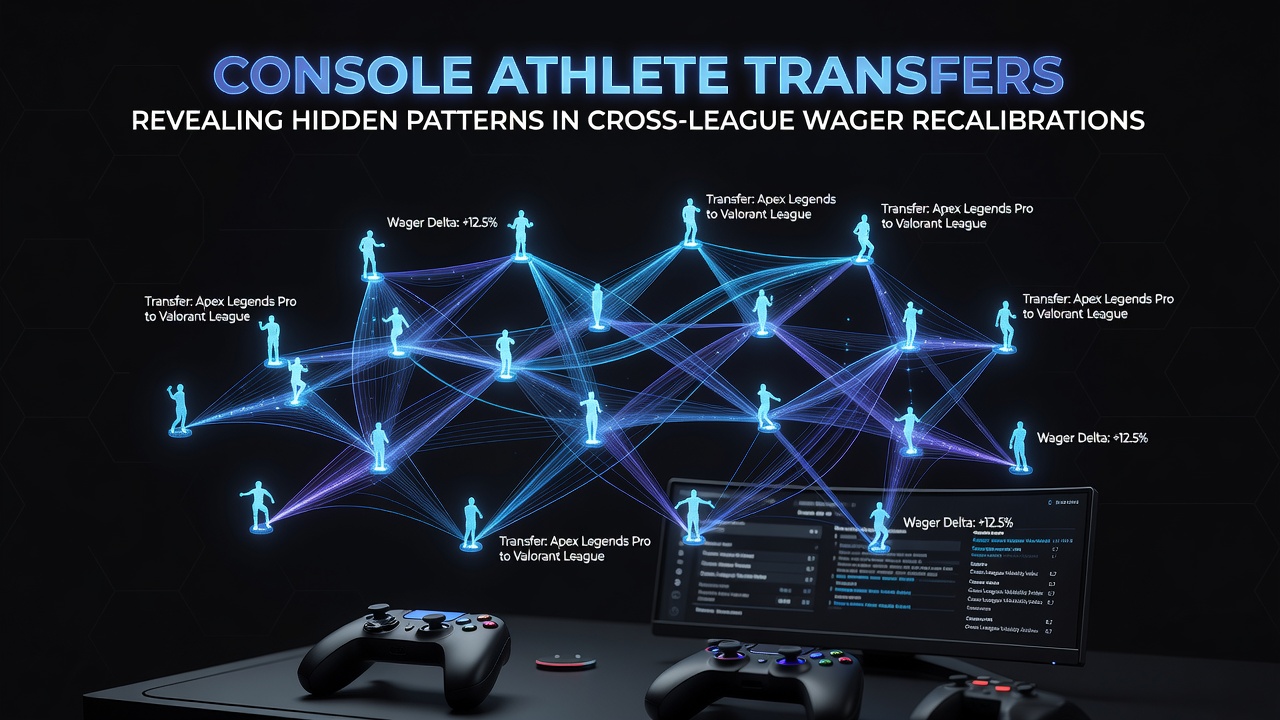
Console athlete transfers have drawn attention from analysts who track how virtual player movements feed into adjustments for live wagering models that span multiple sports leagues and while the connections may appear indirect at first glance data streams from simulation engines continue to influence recalibration processes in measurable ways.
Tracing Transfer Data Through Simulation Metrics
Transfers in console leagues generate detailed performance logs that include speed ratings, injury recovery times, and team chemistry shifts and these elements get aggregated into broader datasets that betting platforms reference when updating odds across basketball, hockey, and football simulations. Researchers at institutions focused on computational sports modeling have noted that a single high-profile virtual transfer often triggers recalibrations in adjacent leagues because the underlying physics engines share core algorithms for player interactions and environmental factors.
During periods of heightened transfer activity the volume of data points rises sharply and this increase allows algorithms to identify correlations that were previously obscured by smaller sample sizes. Observers note that cross-league wager adjustments become more pronounced when transfers involve athletes whose stats align closely with real-world counterparts in multiple sports and the recalibration speed accelerates accordingly.
August 2026 Transfer Surge and Resulting Adjustments
In August 2026 console leagues recorded elevated transfer volumes ahead of seasonal resets and the resulting data influx prompted several platforms to refine their live odds calibration routines. Figures from simulation tracking services show that basketball and hockey wager models incorporated new variables derived from football transfer patterns while the adjustments reflected shared engine behaviors rather than sport-specific traits alone. Those who monitor these streams report that recalibration cycles shortened by measurable margins during that window and the changes appeared consistently across independent betting frameworks.
Shared Engine Behaviors Across Different Titles
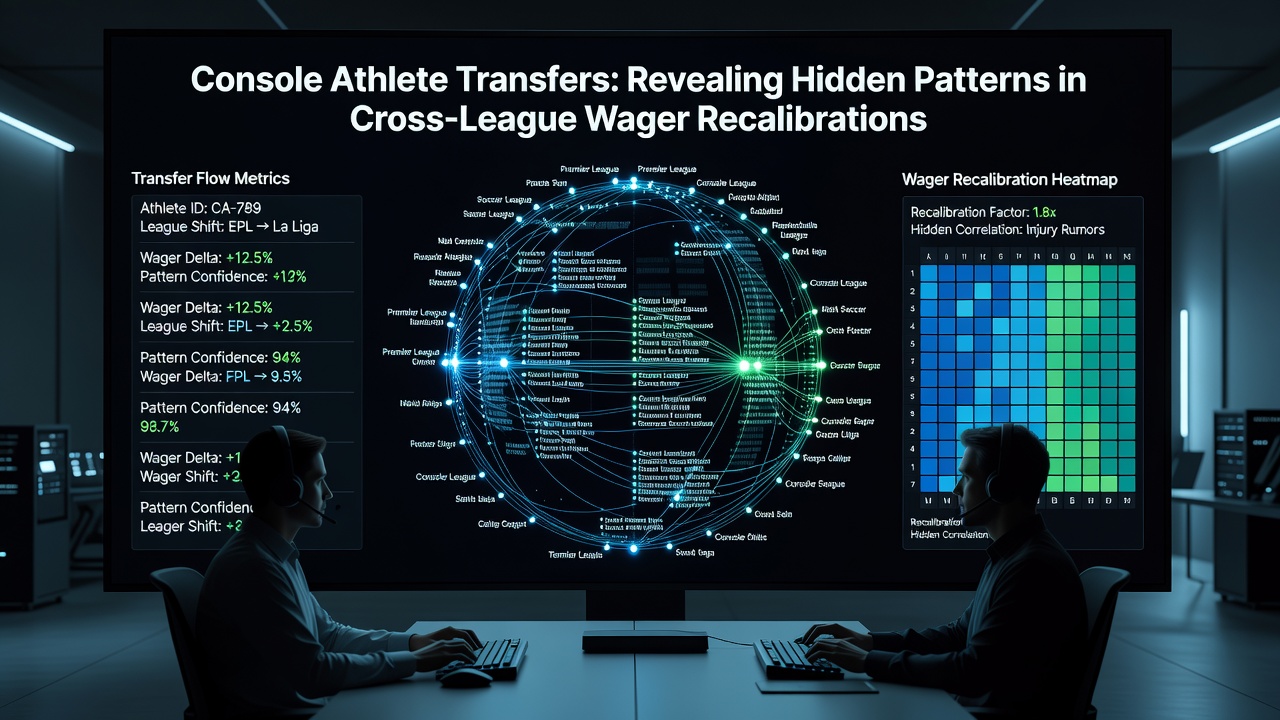
Many console sports titles rely on overlapping physics and animation systems and these common foundations create pathways for transfer-derived insights to migrate from one league simulation to another. A transfer that alters defensive positioning logic in one game can echo through hockey and basketball models because the underlying code treats player momentum and collision detection in similar fashion. Industry reports from organizations such as the Entertainment Software Association document how developers reuse engine components across franchises and this reuse directly supports the pattern detection that wager platforms exploit.
Analysts examining multi-sport datasets have identified clusters where transfer timing in one league precedes recalibrations in two or three others and the sequence follows predictable intervals tied to update cycles. The patterns emerge most clearly when large user-generated rosters undergo bulk transfers because the aggregated statistical shifts provide clearer signals than isolated changes.
Regulatory Context and Data Utilization
Government bodies in regions including Australia and Canada have examined how simulation data intersects with wagering frameworks and reports from the Australian Communications and Media Authority outline guidelines for responsible integration of third-party metrics into betting systems. These frameworks emphasize transparency in how external data sources like console transfers contribute to odds adjustments and they require platforms to maintain audit trails that link virtual events to live wager modifications. Compliance documentation from such agencies shows that cross-league recalibrations must account for data provenance to avoid unintended amplification of simulation artifacts.
Conclusion
Console athlete transfers continue to supply structured datasets that reveal recurring patterns in cross-league wager recalibrations and the connections rest on shared simulation architectures rather than coincidental overlaps. As transfer volumes fluctuate with seasonal cycles the resulting data flows support more granular adjustments across basketball, hockey, and football betting models and ongoing monitoring by research groups and regulatory bodies tracks these developments through established reporting channels. The observable trends underscore how virtual movements translate into practical inputs for multi-league wagering systems when engine commonalities are taken into account.