Multi-Sport Game Physics and Their Influence on Global Live Betting Adjustments
Anna Brooks · Aug 15, 2026
Multi-Sport Game Physics and Their Influence on Global Live Betting Adjustments
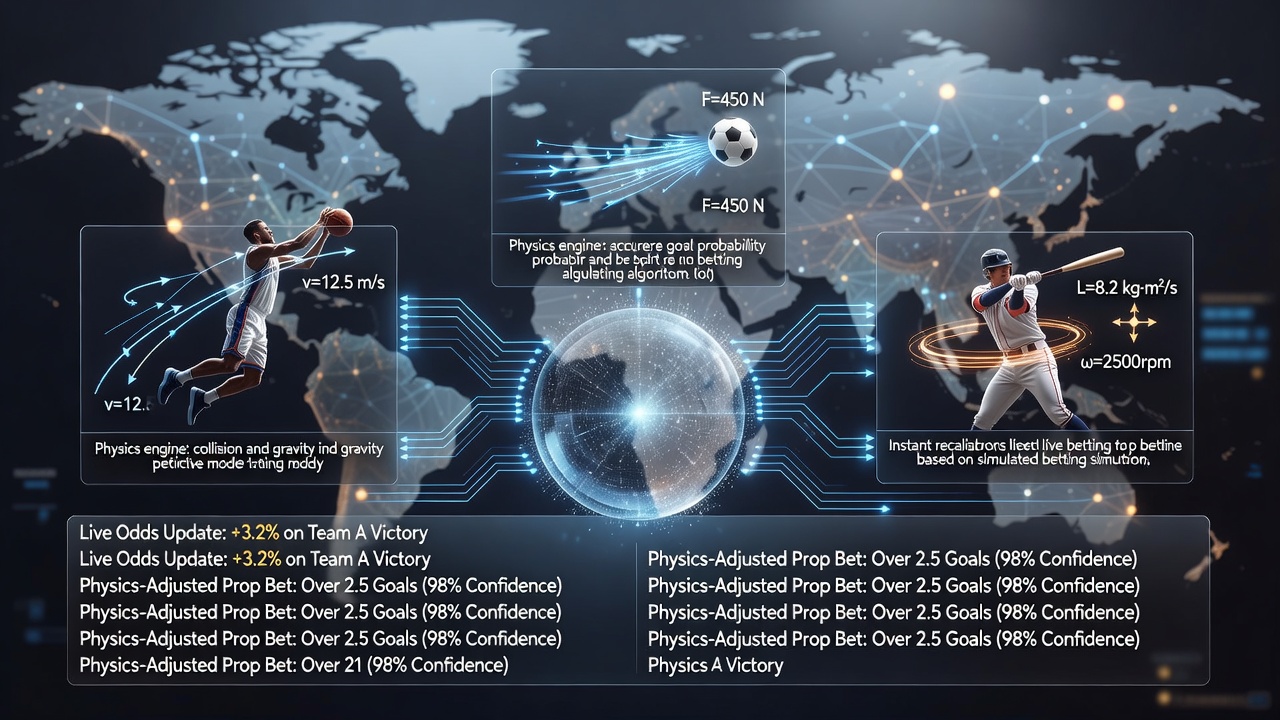
Physics engines in multi-sport gaming titles generate detailed outputs on ball trajectories, player collisions, and surface interactions that betting platforms incorporate into live prediction models, and these systems process the data in milliseconds to recalibrate odds during ongoing matches. Observers note that titles such as those simulating football, basketball, and hockey produce consistent metrics on variables including spin rates, friction coefficients, and momentum transfers which operators feed directly into algorithmic frameworks. Data from platform integrations shows that when a virtual match registers an unexpected deflection or altered bounce, the corresponding real-world betting lines adjust within seconds to reflect updated probability distributions.
Data Pathways from Simulation to Market Calibration
Engine outputs travel through application programming interfaces that connect gaming servers to betting backends, while middleware layers translate raw physics values into standardized inputs for risk engines. Research indicates that parameters like restitution coefficients and angular velocity feed into Monte Carlo simulations run by operators, and these calculations refine spread and total projections across multiple leagues simultaneously. In August 2026 several major platforms expanded their data pipelines to include additional collision detail from updated game builds, resulting in measurable shifts in live market volatility during peak tournament windows.
Operators track how engine-derived friction values influence projected player fatigue curves, and they apply those curves to modify in-play wager thresholds without manual intervention. Figures from industry reports reveal that leagues with high adoption of simulation feedback experience narrower bid-ask spreads during the final minutes of contests because models incorporate granular trajectory corrections in real time.
Cross-Sport Application of Engine Metrics
Multi-sport titles allow a single physics framework to supply comparative data across disciplines, so a basketball bounce model can inform hockey puck behavior predictions when surface variables align. Those who manage global books note that shared engine parameters reduce calibration latency when events from different sports occur concurrently, and this efficiency supports simultaneous adjustments on correlated markets. External regulatory monitoring from the Australian Communications and Media Authority has documented increased use of such cross-referenced datasets in licensed operations during 2026.

Engine collision logs also contribute to injury probability estimates because repeated high-impact events in simulations correlate with observed physical strain patterns. Betting systems weight these logs against historical medical data to modulate player props, and the resulting odds reflect cumulative simulation stress rather than isolated performance snapshots. This integration remains active throughout extended tournaments where fatigue compounds across consecutive fixtures.
Technical Adjustments in Live Environments
Platform engineers map engine variables such as drag coefficients and rotational decay directly onto predictive layers, while machine learning overlays detect deviations between simulated and actual match conditions. When discrepancies exceed threshold values, the system triggers recalibration events that propagate to all active wagers tied to the affected event. Studies from research institutions show that these automated corrections maintain market integrity during periods of rapid score changes because the underlying physics remain consistent across title updates.
Global operators further refine their models by ingesting anonymized session data from gaming communities, and this additional volume strengthens the statistical power of trajectory forecasts used in over-under markets. In practice the process operates continuously, with physics outputs serving as one of several parallel data streams that converge on final probability outputs displayed to bettors.
Conclusion
Physics engine outputs from multi-sport gaming titles supply structured variables that global betting platforms convert into dynamic prediction adjustments, and the resulting calibration occurs through established data pipelines that operate across time zones and regulatory jurisdictions. Continued expansion of these connections in 2026 has aligned simulation detail with live market requirements while maintaining compliance with oversight from bodies such as the European Commission on digital services. The linkage demonstrates a measurable technical pathway between virtual recreation and real-time wagering systems without altering underlying event outcomes.