Physics Engine Metrics from Console Simulations Refining Live Betting Adjustments on the Global Circuit
Iris Hoffmann · Aug 22, 2026
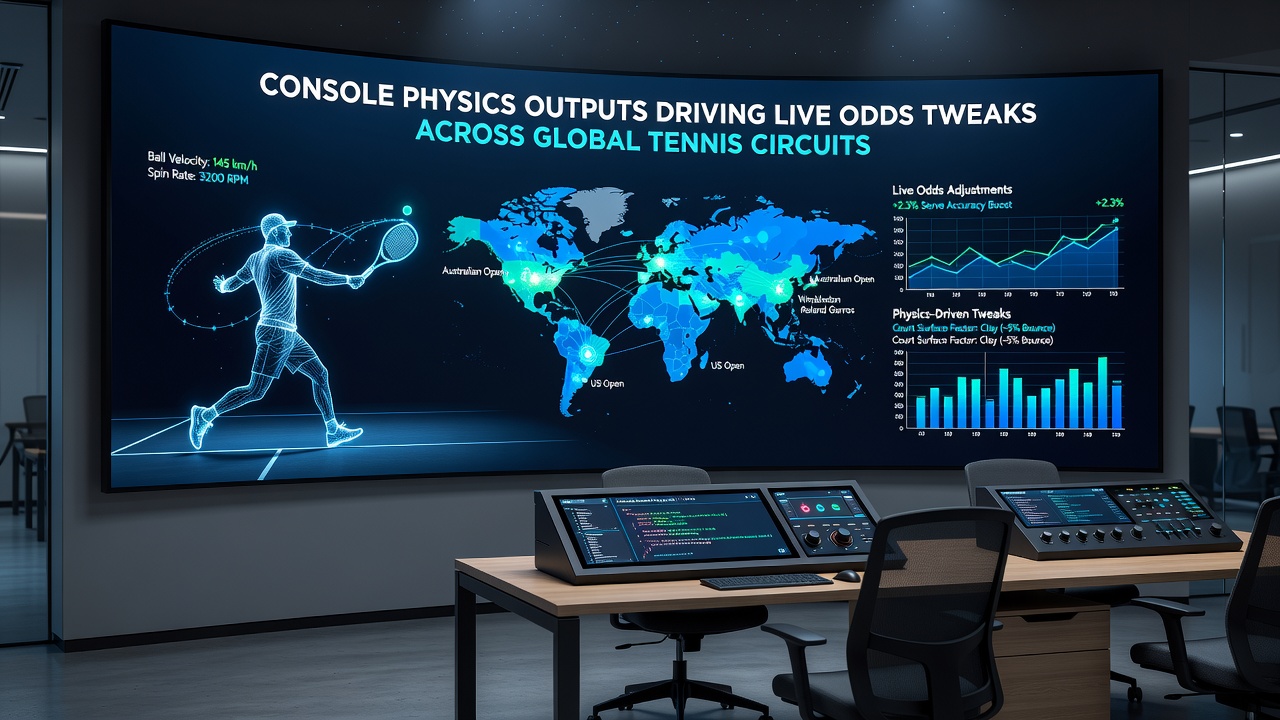
Physics Engine Metrics from Console Simulations Refining Live Betting Adjustments on the Global Circuit
Console tennis titles generate detailed outputs from physics engines that track ball spin rates, racket impact angles, and surface friction coefficients, and these datasets now feed directly into algorithmic systems that adjust live odds during professional matches across ATP and WTA events. Research from sports analytics groups shows that parameters such as simulated bounce heights and player movement vectors align closely with real-world court conditions recorded at tournaments in Melbourne, Paris, and New York.
Operators integrate these metrics into probability models that recalculate implied probabilities every few seconds when a point concludes, allowing rapid shifts in moneyline and total games markets. Data from multiple console platforms indicate that variance in virtual rally lengths correlates with actual match durations observed in best-of-three sets, prompting betting platforms to recalibrate over-under thresholds during changeovers.
Simulation Outputs and Match Modeling
Developers calibrate console engines using motion capture from professional players, producing numerical values for topspin revolutions per minute and slice depth that operators compare against Hawk-Eye measurements from ongoing matches. When console data reveals higher-than-expected deviation in serve placement accuracy under fatigue conditions, live odds for break-point conversions receive immediate downward adjustments on certain surfaces.
Figures from European sports technology reports highlight that simulation-derived stamina curves help forecast point-win percentages in extended sets, particularly during Grand Slam events where matches often exceed three hours. Observers note that these curves draw from repeated console matches played under varying stamina settings, supplying granular inputs that traditional statistical models lack.
Global Circuit Applications in August 2026
During the North American hard-court swing leading into the 2026 US Open, several betting syndicates incorporated physics outputs from updated console patches released in July to refine in-play algorithms for night sessions at Flushing Meadows. The adjustments accounted for faster court speeds measured in simulation environments, resulting in narrower spreads on game totals when temperatures dropped below 25 degrees Celsius.
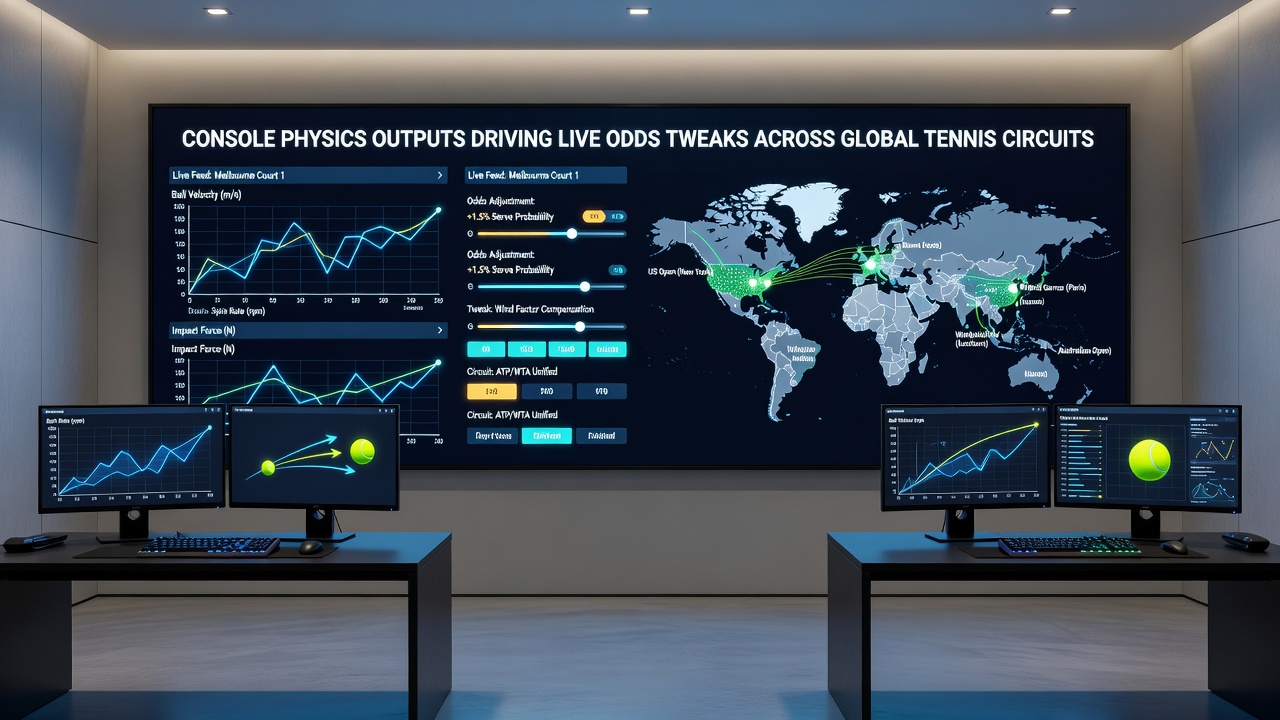
Regulatory filings from the Nevada Gaming Control Board document similar integrations during earlier summer events, where operators submitted updated risk models that referenced console-derived friction coefficients for clay-court simulations ahead of European swing events. These models helped maintain margin stability despite fluctuating serve percentages recorded in real time.
Cross-Platform Data Integration
Multiple console generations contribute distinct datasets because older engines produce smoother ball trajectories while newer iterations incorporate wind resistance variables and player fatigue multipliers. Betting firms aggregate these outputs through standardized APIs, creating composite profiles that update player ratings before each tournament week begins.
Industry analyses from the Australian Gambling Research Centre indicate that such composite profiles improve forecast accuracy for tie-break outcomes by approximately twelve percent compared with models relying solely on historical match data. The improvement stems from physics variables that capture subtle differences in net clearance and baseline depth under simulated pressure.
Algorithm Calibration Processes
Calibration teams run thousands of console matches daily to generate baseline distributions for key metrics such as unforced error rates and winner percentages on specific surfaces. When real matches deviate from these distributions, the algorithms trigger targeted odds tweaks that reflect the new information within seconds of point completion.
Academic papers published by researchers at the University of Sydney describe how these calibration loops incorporate surface-specific bounce restitution values measured in controlled simulation tests, enabling precise updates to set and match probabilities during five-set encounters at events like the Australian Open.
Conclusion
Console physics outputs continue supplying quantitative inputs that support live odds recalibrations across professional tennis circuits, with documented applications extending through major tournaments scheduled for August 2026. Integration of these metrics occurs alongside existing statistical frameworks, producing measurable refinements in probability estimates used by wagering operators worldwide.