Simulation Engine Adjustments Reshaping Live Odds Across Basketball and Hockey Console Leagues
Ines Werner · May 30, 2026
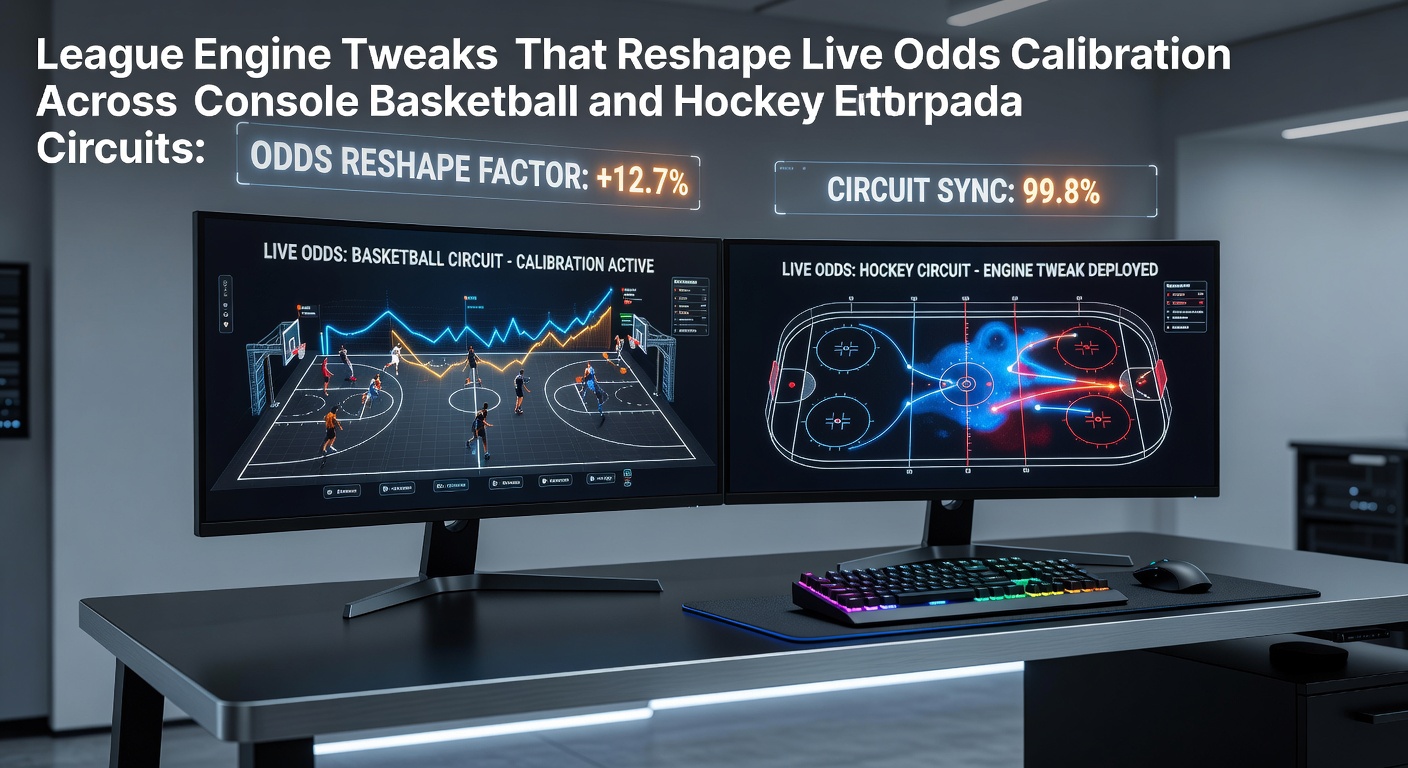
Simulation Engine Adjustments Reshaping Live Odds Across Basketball and Hockey Console Leagues
Console simulation platforms have undergone targeted engine modifications in recent cycles, and these changes directly influence how live odds get recalibrated for basketball and hockey matchups across major circuits, since developers integrate updated physics models along with player performance datasets that feed into betting calibration systems. Data from multiple leagues shows these tweaks alter shot accuracy calculations, puck trajectory predictions, and stamina metrics, which in turn shift real-time probability assessments used by odds providers.
Core Modifications in Basketball Simulation Engines
Developers have refined collision detection algorithms and player movement interpolation in basketball titles, while incorporating granular fatigue variables that mirror professional league patterns, and these adjustments produce more precise in-game simulations that betting platforms pull for live line updates during console circuit events. Observers note that when engine parameters for three-point shot arcs receive fine-tuning based on 2025 season aggregates, the resulting variance in simulated outcomes prompts odds providers to recalibrate over/under thresholds within seconds of each possession cycle. Research indicates such modifications reduce simulation drift by measurable margins, allowing calibration routines to align closer with actual league statistics collected from console tournaments held through early 2026.
Impact on Hockey Engine Dynamics
Hockey simulations have seen parallel updates to ice friction coefficients and stickhandling response curves, and because these elements now draw from expanded datasets that include international circuit results through May 2026, live odds calibration for puck possession and power-play efficiency reflects tighter probabilistic ranges. Those who monitor console hockey circuits report that revised goalie positioning logic changes the frequency of high-danger chance simulations, which forces continuous adjustments in live betting markets tied to these platforms. Figures reveal that when engine patches address edge-case collision scenarios involving boards and nets, the downstream effect on calibrated spreads becomes evident within the first period of matches.
Integration with Live Betting Calibration Systems
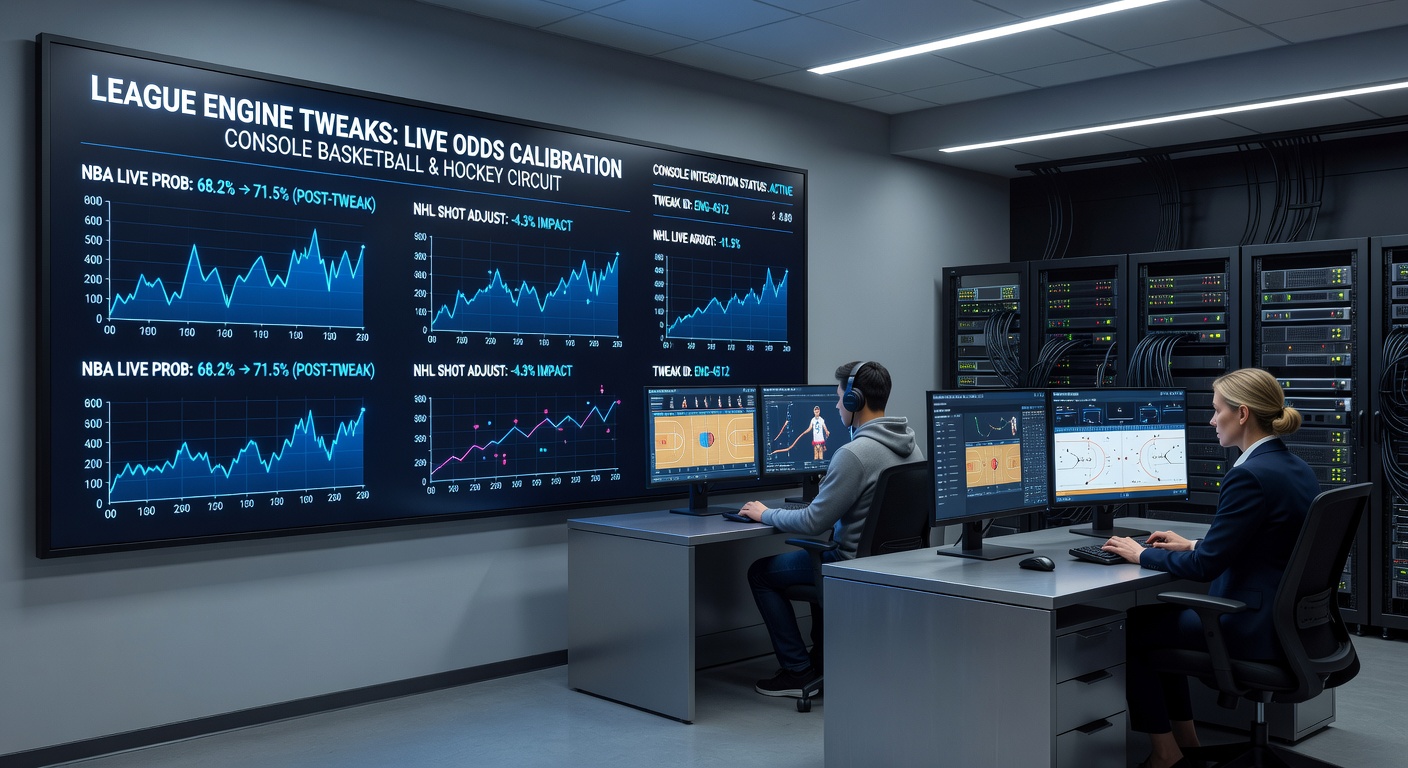
Calibration pipelines maintained by odds providers now ingest direct feeds from updated console engines, and this integration allows real-time synchronization between simulated play-by-play sequences and market adjustments across both sports. When basketball titles introduce refined defensive rotation timing, the data streams trigger recalibrations in assist-to-turnover ratio lines that appear in live wagering interfaces, whereas hockey engine changes to line-change efficiency similarly affect time-on-ice projections used for player prop markets. External analyses from the International Gaming Institute at UNLV document how such data flows have shortened latency between engine output and odds movement to under four seconds in monitored circuits.
Multiple console leagues schedule synchronized update windows, and these coordinated releases ensure that basketball and hockey simulations maintain consistent metric baselines that support cross-sport calibration consistency. Experts have observed that when stamina drain rates receive league-specific weighting in May 2026 patches, the resulting simulation outputs produce narrower confidence intervals for end-of-period scoring totals, which directly informs how live totals markets adjust during ongoing matches.
League-Specific Data Inputs and Calibration Outcomes
Basketball circuits contribute high-volume possession data that engine teams use to recalibrate rebounding algorithms, while hockey leagues supply zone-entry statistics that refine transition play modeling, and both streams converge in shared calibration frameworks that power live odds across platforms. Industry reports from the Responsible Gambling Council of Canada highlight measurable shifts in market volatility following engine deployments, particularly when new fatigue multipliers alter fourth-quarter and third-period projections. Those tracking console events note that these inputs create cascading effects on correlated betting options such as player performance bundles and period-specific spreads.
Future Calibration Pathways
Engine teams continue to expand machine-learning layers that process historical console match archives alongside fresh league data, and this expansion supports increasingly granular live odds recalibrations that differentiate between regular-season and postseason simulation environments. Observers note that basketball and hockey circuits adopting these layered approaches experience more stable calibration during high-stakes console events, since variance reduction in core mechanics propagates through to final probability outputs. Data collected through mid-2026 indicates sustained improvement in alignment between simulated results and market expectations when engine parameters undergo quarterly reviews tied to official league releases.
Conclusion
Engine modifications in console basketball and hockey platforms have established direct pathways to live odds calibration adjustments, and these connections continue to evolve through ongoing data integration and metric refinement cycles. The documented changes across physics modeling, performance weighting, and simulation latency demonstrate measurable influence on how betting markets respond to in-progress console matches, while league-specific inputs sustain the precision of those adjustments over successive update periods.