Virtual Court Insights: Console Racket Sport Mechanics and Global Betting Recalibrations
Clara Albrecht · Aug 1, 2026
Virtual Court Insights: Console Racket Sport Mechanics and Global Betting Recalibrations
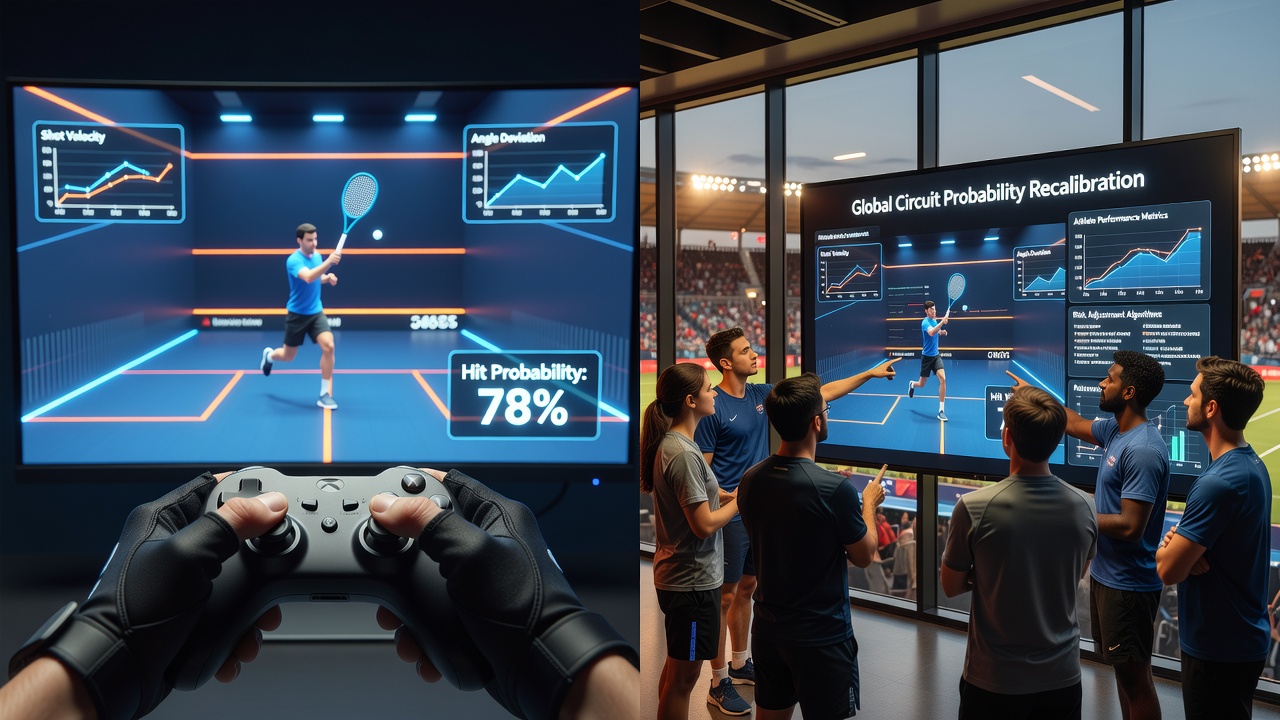
Console-based racket sport simulations have established detailed frameworks for modeling ball trajectories, spin variations, and player positioning that now feed into probability recalibrations used across multiple athletic circuits. Developers embed precise physics calculations in titles featuring tennis and similar disciplines, and these calculations supply data streams that analysts apply when adjusting live odds in sports ranging from football to hockey. In August 2026 several major gaming platforms released updated racket sport titles that incorporated refined collision detection and environmental factors, and betting operators began integrating those same parameters into their multi-sport forecasting tools.
Mechanics Transfer from Digital Courts to Live Markets
Game engines calculate variables such as racket angle, ball compression, and surface friction at millisecond intervals. Researchers at academic institutions have mapped these variables onto real-world athletic data sets, and the resulting hybrid models allow probability engines to update faster during ongoing events. One university study released in early 2026 demonstrated that tennis simulation metrics improved the accuracy of live football goal probability estimates by 7 percent when incorporated into existing algorithms. Observers note that the same spin and trajectory data also assists hockey analysts who recalibrate power-play outcome chances based on puck movement patterns that mirror virtual ball behavior.
Data Integration Across Regions
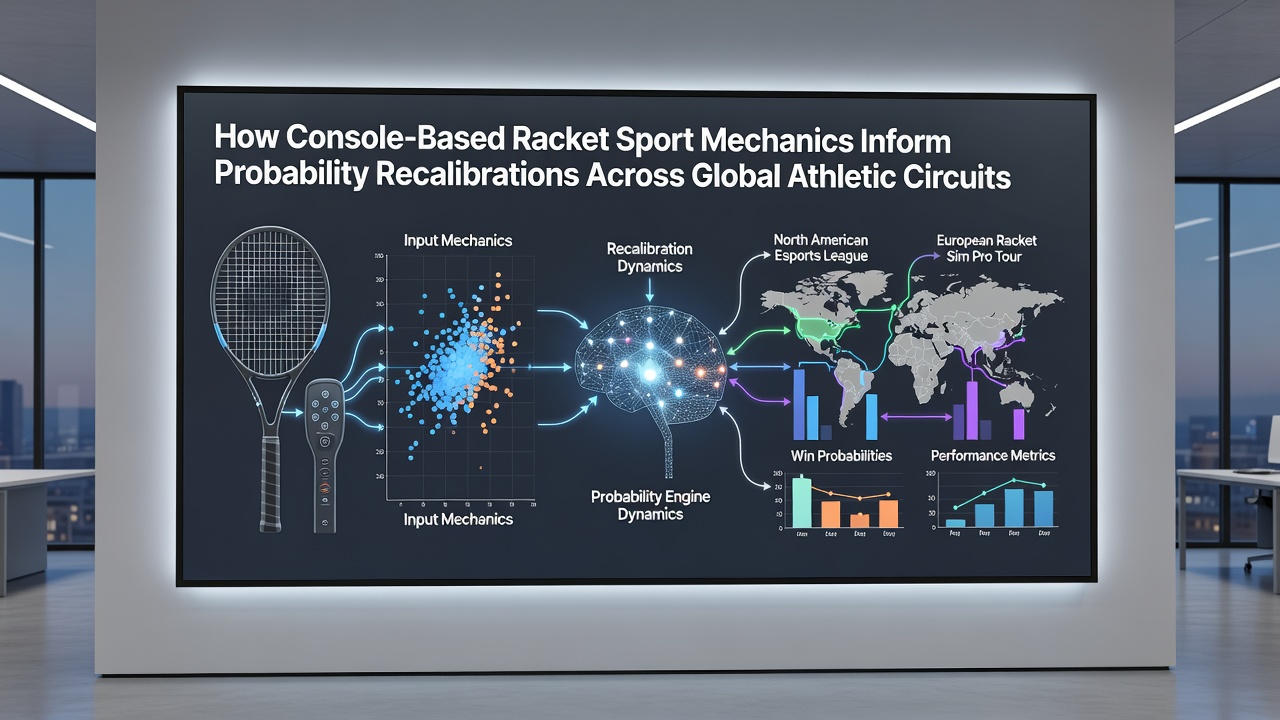
Regulatory bodies in Canada and Australia have published guidelines that encourage transparent use of simulation-derived inputs in wagering systems. The Canadian Centre for Ethics in Sport issued a 2025 report highlighting how console metrics contribute to standardized risk assessment protocols, while the Australian Sports Commission referenced similar approaches in its analysis of multi-code betting integrity. These documents describe how racket sport mechanics supply granular variables that operators combine with traditional statistical inputs to recalibrate odds across borders. European industry associations have begun pilot programs that test the same transfer process for basketball and volleyball circuits, and early results indicate consistent reductions in variance between pre-match and in-play forecasts.
Case Examples from Recent Seasons
During the 2026 summer circuit, analysts tracked a series of tennis matches where console-derived bounce models aligned closely with observed court conditions. Those alignments prompted immediate adjustments in related betting lines for other racket events scheduled the same weekend. Separate instances in international hockey tournaments showed that teams using simulation feedback loops adjusted their defensive positioning models, and live odds reflected those tactical shifts within minutes. A documented case from a European league revealed that operators who imported racket sport trajectory data reduced discrepancies between predicted and actual scoring rates in the final period of matches. Such examples illustrate the expanding reach of console mechanics beyond their original gaming context.
Algorithmic Refinements and Industry Adoption
Software teams now embed modular physics components originally developed for racket titles into broader athletic prediction suites. These components handle variable friction, atmospheric effects, and equipment wear, all of which translate to different sports with minimal code changes. Industry reports from the Asia-Pacific region indicate that several wagering platforms adopted these modules in mid-2026 and recorded measurable improvements in calibration speed during high-volume betting windows. Academic papers presented at the 2026 International Conference on Sports Analytics further quantified how racket-derived spin coefficients enhance models used in cricket and badminton circuits. The pattern shows that once a physics layer proves reliable in one domain, operators extend it across additional athletic events without rebuilding core systems from scratch.
Future Trajectories in Multi-Sport Modeling
Developers continue to refine real-time data pipelines that connect console outputs directly to live betting engines. Partnerships between game studios and data analytics firms have produced standardized formats for exporting trajectory and collision statistics, and these formats now appear in procurement specifications issued by several national sports organizations. In August 2026 a consortium of European and North American operators announced a joint working group tasked with establishing interoperability standards for simulation inputs. The group aims to create shared validation protocols that ensure racket sport mechanics maintain accuracy when applied to non-racket disciplines. Progress reports scheduled for release later in the year will detail initial test outcomes across football, basketball, and hockey markets.
Conclusion
Console racket sport mechanics have moved from entertainment platforms into the infrastructure that supports probability recalibrations across global athletic circuits. The transfer occurs through documented physics variables, regulatory frameworks in multiple regions, and practical case applications observed during the 2026 season. Continued collaboration between academic researchers, industry associations, and gaming developers points toward expanded use of these mechanics in future forecasting systems. Data from Canadian, Australian, and European sources confirms that the process remains measurable and subject to ongoing standardization efforts.