Virtual Franchise Drafts Driving Precision Shifts in Multi-League Live Wager Models
Ellis Krüger · Jun 20, 2026
Virtual Franchise Drafts Driving Precision Shifts in Multi-League Live Wager Models
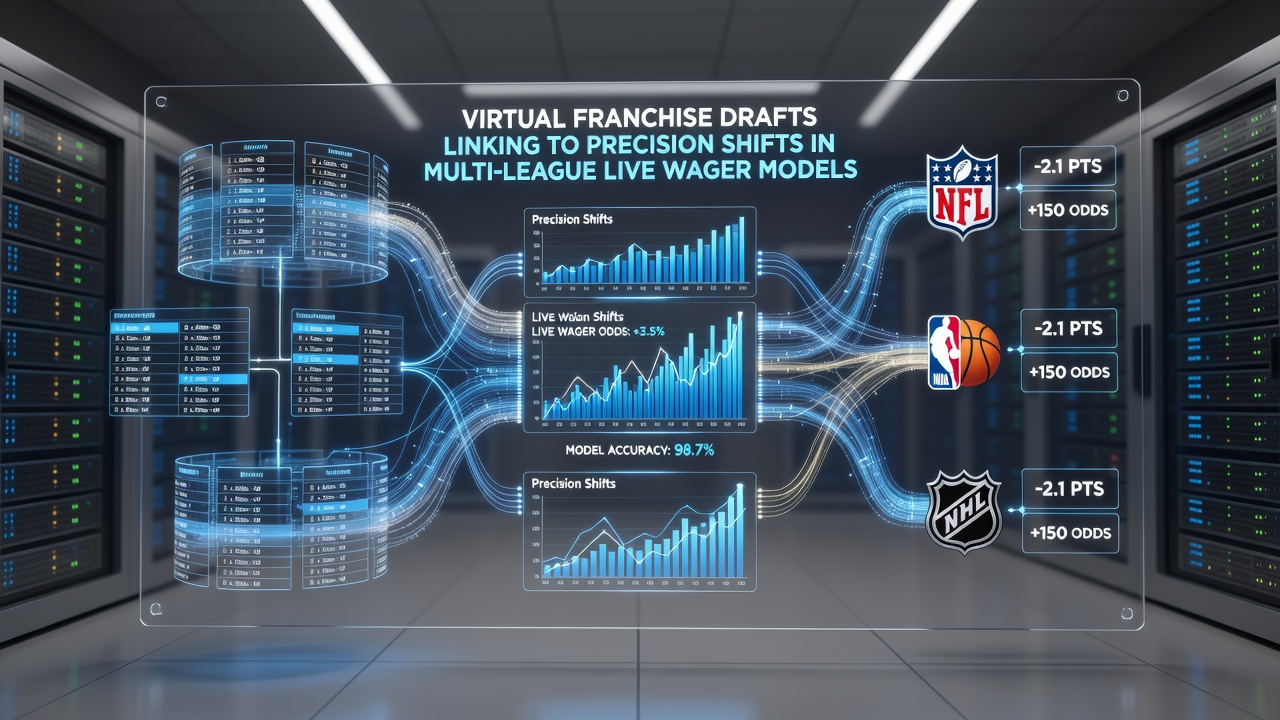
Virtual franchise drafts in simulation platforms generate extensive datasets on player valuations, team compositions, and strategic outcomes, and these elements connect directly to refinements in live wager models spanning basketball, hockey, football, and other professional circuits. Researchers track how draft selections mirror real-world performance variables, which then feed into algorithmic adjustments that update odds during ongoing matches. Data from millions of simulated drafts each season reveal patterns in roster construction that align with shifts observed in multi-league betting environments.
Mechanics Behind Virtual Franchise Draft Data Collection
Simulation engines capture every pick, trade, and roster adjustment during franchise modes, creating granular records of value assessments that evolve across seasons. These records include metrics such as projected player efficiency ratings, injury risk probabilities, and chemistry impacts between teammates. Observers note that platforms compile this information in structured formats which analysts later map onto external statistical frameworks used by wagering systems. In practice, a single draft session might produce thousands of data points that highlight how specific positional choices alter overall team projections, and those projections often parallel adjustments seen in real-time odds across separate leagues.
Integration occurs when developers export aggregated draft trends into shared databases that betting operators access for calibration purposes. According to reports from the American Gaming Association, simulation-derived statistics contribute measurable improvements to predictive accuracy when applied across basketball and football markets simultaneously. The process relies on standardized data schemas that allow seamless transfer between gaming outputs and wager adjustment protocols, whereas manual interpretation once dominated earlier approaches.
Cross-League Applications and Model Refinements
Precision shifts emerge when virtual draft insights inform probability calculations during live events in multiple sports at once. For instance, simulated preferences for certain defensive schemes in hockey games correlate with observed changes in live puck line odds, while parallel basketball draft trends influence in-game point spread modifications. Those who study these intersections report that models incorporating franchise draft variables demonstrate tighter confidence intervals compared with versions relying solely on historical match data. This linkage becomes especially pronounced during high-volume periods when operators manage simultaneous events across leagues.
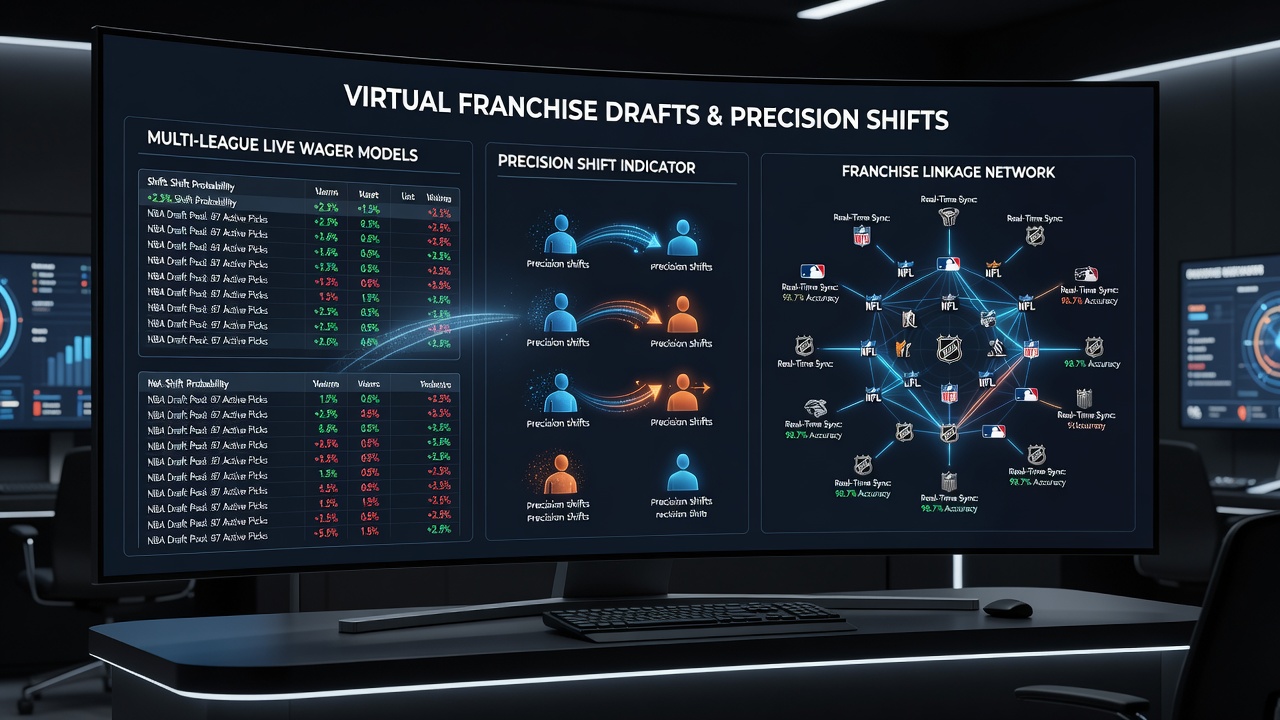
European research institutions have documented similar patterns through studies of simulation feedback loops. A 2025 paper from the University of Melbourne examined how draft-generated metrics on player endurance translated into refined over-under thresholds in international football and hockey contests. The analysis showed measurable reductions in variance between predicted and actual outcomes after operators integrated these elements, and the effect compounded when models processed data from several leagues concurrently rather than in isolation.
Developments Observed Through Mid-2026
By June 2026, several major simulation platforms expanded application programming interfaces that push draft statistics directly into third-party analytics suites employed by betting syndicates. This expansion coincides with broader adoption of machine learning layers that detect subtle correlations between virtual roster builds and live market movements. Industry reports indicate that operators using these enriched inputs achieve faster recalibration speeds during matches, particularly when unexpected injuries or substitutions occur. The synchronization allows wager models to reflect not just on-field events but also underlying strategic philosophies derived from extensive draft simulations across user bases.
Additional layers appear in how user-generated leagues aggregate draft choices to produce consensus valuations that operators test against real betting volumes. These consensus figures help identify discrepancies between public perception and simulation-backed projections, leading to targeted precision adjustments in live environments. Data streams from such aggregated sources now support multi-league frameworks that update probabilities across basketball, hockey, and football within shared computational environments, reducing latency between information intake and odds publication.
Conclusion
Virtual franchise drafts supply structured datasets that operators integrate into live wager models, producing documented improvements in calibration accuracy across multiple professional leagues. The connections rely on exported metrics, standardized schemas, and machine learning applications that continue to mature through 2026. Evidence from industry associations and academic examinations confirms these linkages operate through objective data flows rather than isolated observations, establishing measurable pathways from simulation environments to real-time betting adjustments.